
Best Kidney Stone Hospital in Noida, Delhi NCR
किडनी या पेशाब की नली में पत्थरी की समस्या? दिल्ली में सबसे भरोसेमंद इलाज पाएं
Epitome Hospitals is recognized as one of the best kidney stone hospitals in Noida, Delhi NCR, offering advanced diagnosis and effective treatment for kidney and ureteral stones. Our experienced urology specialists provide personalized, minimally invasive stone management to ensure safe treatment and faster recovery.
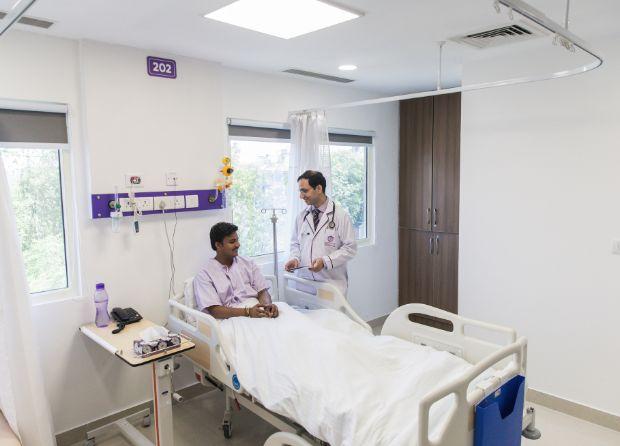
Understanding Kidney & Ureteral Stones
Kidney stones are hard mineral deposits that form inside the kidneys due to the accumulation of substances such as calcium, uric acid, or oxalate. When these stones move from the kidney into the ureter, they are known as ureteral stones and can cause severe pain and urinary blockage.
At the best kidney stone hospital in Noida, Delhi NCR, our specialists focus on early diagnosis and timely treatment to prevent complications such as infection, obstruction, or kidney damage.
Our Approach to Treatment of Kidney & Ureteral Stone
At Epitome Hospitals, we follow a structured, patient-centric approach to kidney stone management.
Comprehensive Evaluation
Detailed assessment using blood tests, urine analysis, ultrasound, X-ray, or CT scan to determine stone size, location, and composition.
Medical Management
Prescription of medications to relieve pain, control infection, and help small stones pass naturally where appropriate.
Corrective Surgery
For larger or obstructive stones, we offer advanced procedures such as ureteroscopy, laser lithotripsy, PCNL, or stent placement based on clinical need.


किडनी या पेशाब की नली में पत्थरी है? सही इलाज के लिए आज ही डॉक्टर से मिलें
Expertise in Urology & UT Health
Meet our team of urologists dedicated to providing you with the highest standard of care.
Dr. Sunny Goel- A leading urologist specializing in urologic care, including treatment of kidney stones.
अगर आपको पेट या कमर के निचले हिस्से में तेज़ दर्द, पेशाब में जलन, या खून आना जैसी समस्याएं हो रही हैं, तो यह किडनी या यूरीटर स्टोन का संकेत हो सकता है।
अनुभवी यूरोलॉजिस्ट से मिलकर समय रहते जांच और इलाज करवाएं — दर्द को और न बढ़ने दें।
Kidney & Ureteral Stone Treatment at Epitome Hospitals
Patient Success Stories

Archibald Cruise – Porcelain Veneers
Paul Molive – Teeth Whitening


Bob Frapples. – Same Day Implants
Andrew Mariano – Same Day Implants

Frequently Asked Questions
A kidney stone usually will not cause symptoms until it moves around within the kidney or passes into one of the ureters. The ureters are the tubes that connect the kidneys and bladder. If a kidney stone becomes lodged in the ureters, it may block the flow of urine and cause the kidney to swell and the ureter to spasm, which can be very painful.
At that point, symptoms include -
- Severe, sharp pain in the side and back, below the ribs
- Pain that radiates to the lower abdomen and groin
- Pain that comes in waves and fluctuates in intensity
- Pain or burning sensation while urinating
- A persistent need to urinate, urinating more often than usual or urinating in small amounts
- Nausea and vomiting
- Blood in urine (pink, red or brown discolouration)
- Cloudy or foul-smelling urine
- Fever and chills if an infection is present
Pain caused may change, shifting to a different location or increasing in intensity — as the stone moves through the urinary tract.
- Dehydration - Insufficient water intake leads to concentrated urine, increasing the risk of stone formation. People who live in warm, dry climates and those who sweat a lot may be at higher risk.
- A certain type of diet - A diet high in sodium(salt), sugar, or oxalates can increase the likelihood of stones. This is especially true with a high-sodium diet. Too much salt in your diet increases the amount of calcium your kidneys must filter and significantly increases your risk of kidney stones. Excessive intake of animal proteins can also raise uric acid levels, leading to stone formation.
- Obesity. High body mass index (BMI), large waist size and weight gain have been linked to an increased risk of kidney stones.
- Medical conditions - Conditions like hyperparathyroidism, gout, or diabetes can increase the risk. Certain intestinal diseases (e.g., Crohn’s disease) or surgeries can affect calcium and water absorption, promoting stone formation.
- Urinary tract issues - Recurrent urinary tract infections or blockages can create conditions for stone formation.
- Medications and supplements - Overuse of certain medications (e.g., diuretics, calcium-based antacids) or high-dose vitamin C or D supplements can contribute to kidney stones.
Genetics - Family history of kidney stones increases susceptibility.
Yes, lifestyle changes can help manage the symptoms of kidney stones and reduce the risk of forming new stones. While they may not eliminate existing stones, these changes can ease symptoms, prevent complications, and support overall urinary health. Here’s how -
- Stay Hydrated - Drinking plenty of water dilutes urine, reducing the concentration of minerals and salts that form stones. Aim for at least 2-3 liters of water daily. If you are active or live in a hot climate, you may need more. Monitor the color of your urine—it should be pale yellow.
- Adjust Your Diet - Reduce salt, choose fresh, unprocessed foods and avoid adding extra salt. Balance calcium intake and get calcium from food rather than supplements, as excess calcium supplements can raise stone risk. Limit animal protein and opt for plant-based proteins or lean meats in moderation. Avoid sugary drinks, sodas and sweetened beverages.
- Maintain a Healthy Weight - Adopt a balanced diet and regular exercise routine to maintain a healthy weight. Be active but avoid overexertion.
- Avoid Dehydrating Beverages - Tea, coffee, alcohol and caffeinated drinks in excess can lead to dehydration, which increases the risk of stone formation.
As a trusted institution for kidney stone treatment in Delhi, we pride ourselves in being able to offer the best possible treatment and support to each patient. If you're considering treatment for kidney or Ureter stones, reach out to us, or book a direct appointment with our Urologist.
- Call - 70-6540-6540 / 92-8909-7004
- Email - info@epitomehospitals.com
Placing the health and recovery of patients at the forefront of our work, our team of urologists, surgeons, and other specialists ensure our patients receive the best possible treatment and care on their journey to wellness.
Yes. Small stones may pass naturally with medication and hydration. Surgical treatment is recommended for larger or obstructive stones.
Your Health Deserves the Best Care. Book Your Appointment Now!
If you are searching for the best kidney stone hospital in Noida, Delhi NCR, Epitome Hospitals offers expert urology care supported by advanced technology and compassionate specialists.